• LAYING THE FOUNDATION FOR STRATEGIC MARKETING
In today’s job market, especially for remote roles, applying blindly to job boards just isn’t enough. Employers receive hundreds—sometimes thousands—of applications for a single remote position. What separates successful candidates from the rest? Strategic networking.
LinkedIn is not just a digital résumé. It’s a relationship-building tool that, when used well, can open doors to unadvertised remote jobs and meaningful professional connections. This guide walks you through building a strong LinkedIn presence and creating a network that works for you.
# DEFINE YOUR REMOTE JOB GOALS

Before networking, clarity is essential. Ask yourself; “What kind of remote job are you looking for?” “Are you seeking full-time, part-time, freelance, or contract?” “What industries interest you?” “What skills do you bring to the table?”
When your goals are specific, your networking strategy becomes focused. You’ll know exactly whom to connect with and what conversations to start.
# OPTIMIZE YOUR LINKEDIN PROFILE
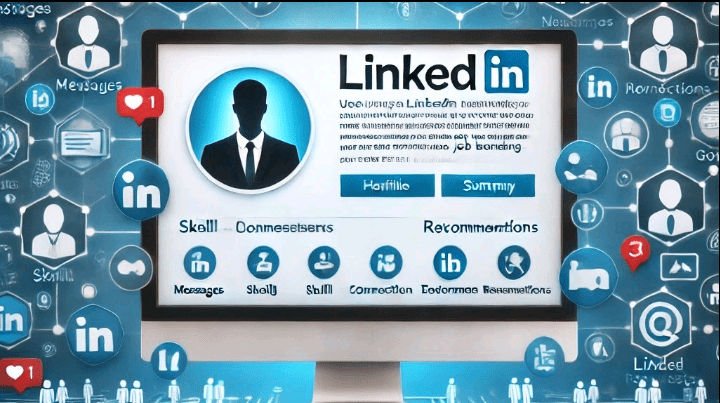
Your profile is your first impression—make it count.
🔹 Profile Picture: Use a clean, friendly, professional-looking headshot.
🔹 Headline: Go beyond your job title. State what you do and the value you bring.
Example: Remote Digital Marketer | Email Campaign Strategist | Helping Brands Grow Online
🔹 About Section: Share your story. Let recruiters know you’re remote-ready. Mention your skills, achievements, values, and the kind of roles you’re seeking.
🔹 Experience & Skills: Highlight tools and platforms that show you can thrive remotely (Zoom, Slack, Notion, Trello, Google Workspace, etc.).
🔹 Open to Work: If you’re job hunting publicly, turn on the green “Open to Work” badge and set your preferences to remote.
# BUILD A TARGET LIST OF PEOPLE TO CONNECT WITH

Random networking rarely works. Be intentional.
Use LinkedIn’s search and filters to find:
• Hiring managers in your desired field
• Remote team leads or department heads
• People working remotely at your dream companies
• Recruiters who specialize in remote work
Start by engaging with their content and learning about their work before you send a connection request.
# SEND MEANINGFUL CONNECTION REQUESTS

Avoid the default “I’d like to connect with you on LinkedIn” message. Instead, personalize.
Sample Message:
> Hi Sarah, I’ve been following [Company] and noticed your journey from support rep to team lead—so inspiring! I’m exploring similar remote opportunities and would love to connect and learn from your experience.
Personalized invites show effort, which builds trust from the start.
# START SHOWING UP
Once connected, the worst thing you can do is go silent.
Here’s how to stay visible:
• Comment on their posts with thoughtful insights.
• Share relevant content with your thoughts.
• Create short posts on what you’re learning or working on (especially things that highlight your skills or remote-readiness).
Don’t try to sell yourself—just provide value. Consistency builds familiarity, and familiarity builds trust.
You don’t need 500+ connections to land a remote job. You need the right ones and a clear profile that shows who you are, what you do, and what kind of work you’re looking for.
In Part 2, we’ll dive into how to turn those connections into real opportunities, including conversations, referrals, informational interviews, and how to get noticed without begging for a job. Stay tuned.
 Site Title