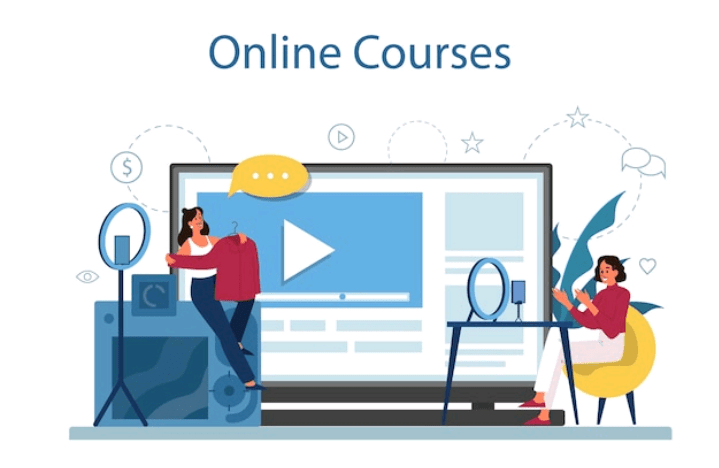
We’re living in the golden age of the digital economy, where you can earn a living by teaching what you know—right from your phone or laptop. From cooking to coding, makeup to marketing, people all over the world are turning their skills and stories into income through online courses and video content.
Whether you’re a content creator, a professional, a coach, or someone with a passion and a voice, this guide will show you how to start earning money selling your own video courses, step by step.
WHY COURSES AND VIDEOS?
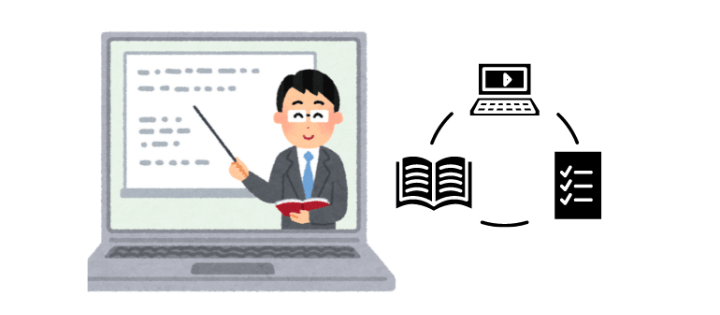
Video is one of the most powerful tools for communication and education today. People love to see and hear rather than just read. That’s why platforms like YouTube, TikTok, and Instagram are thriving.
But unlike free content, online courses are structured, intentional, and designed for transformation—and people are willing to pay for that.
## Here’s how to turn your knowledge into a paid product.
Step 1: Choose Your Niche and Course Topic
Start with what you know. What can you teach confidently and passionately?
Ask yourself; what do people often ask me to teach or explain? What skill have I mastered that others might want to learn?Can I break this down into simple, teachable steps?
Profitable course niches include:
•Business and finance (e.g., freelancing, investing, sales)
•Tech (e.g., coding, design, digital marketing)
•Creative skills (e.g., photography, content creation)
•Personal development (e.g., confidence, productivity)
•Health and wellness (e.g., fitness, mental health)
•Lifestyle and hobbies (e.g., hair care, baking, music)
Tip: Make your course specific. “How to Bake Bread at Home” will attract more interest than “Cooking Basics.”
Step 2: Plan the Structure of Your Course
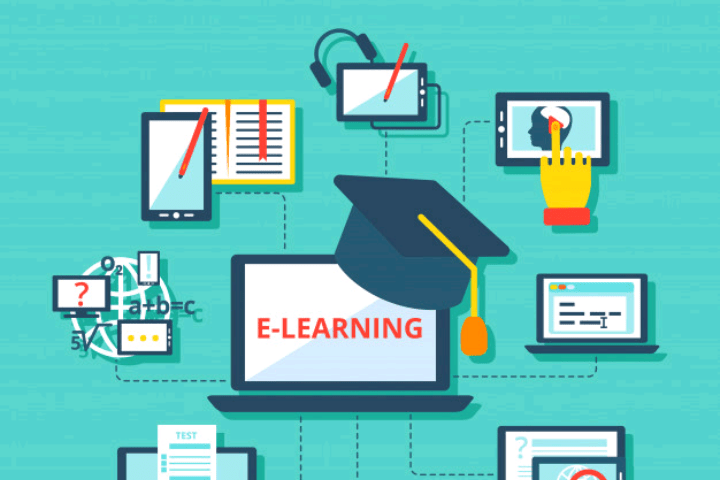
Don’t just start recording randomly. Structure matters. Here’s a simple format:
1. Introduction – Welcome your students and explain what they’ll learn.
2. Module 1 – Start with the basics.
3. Module 2 and beyond – Go deeper step by step.
4. Conclusion – Summarize and encourage implementation.
5. Bonus materials – Templates, checklists, PDFs, exercises, etc.
Keep each video short and focused (5–15 minutes each is ideal). People love clear, bite-sized lessons.

Step 3: Record Your Video Lessons
You don’t need fancy equipment to start. You can record with:
•A smartphone with good camera quality (e.g., Infinix, iPhone, Samsung)
•A quiet, well-lit space
•A simple tripod or DIY stand
•Your voice, your face, or screen recordings (depending on the course style)
For editing, use free tools like:
•CapCut
•VN Video Editor
•Canva (for slide-based videos)
•OBS Studio (for screen recording)
Tip: Practice your delivery. Speak clearly, smile, and be natural. You’re not just teaching—you’re connecting.

Step 4: Choose Where to Host and Sell Your Course
There are two main options: Marketplaces and Self-hosted platforms.
1. Marketplaces (Ready-made audiences)
•Selar.co – Great for African creators; easy to use.
•Teachable – Professional and global, with tools to create full courses.
•Udemy – Has a large audience but takes a cut of your sales.
•Thinkific – Offers a free plan to start with.
•Gumroad – Ideal for downloadable video courses or bundles.
2. Self-hosted (More control)
•Use your website or Paystack Storefront.
•Upload videos to Google Drive, YouTube (unlisted), or Vimeo.
•Deliver content via email or WhatsApp group after payment.

Step 5: Set a Price That Reflects Value
Don’t undercharge out of fear. People are willing to pay for knowledge that will save them time, stress, or failure.
# Suggested pricing:
•Mini-courses: ₦3,000 – ₦10,000 ($5 – $25)
•Full courses: ₦15,000 – ₦50,000 ($30 – $100)
•Premium courses or coaching programs: ₦70,000+ ($150+)
You can also offer payment plans, limited discounts, or bundled deals to increase conversion.

Step 6: Promote Your Course Consistently
You’ve created something valuable—now let the world know!
Promotion ideas:
•Create reels or short clips from your course as teasers
•Host a free webinar or live class
•Share testimonials or feedback from early students
•Post educational content on Instagram, TikTok, LinkedIn, etc.
•Run a WhatsApp class and pitch your course at the end
•Build an email list and offer a free resource or mini-course
Tip: Use storytelling to connect. People buy from people they trust.

Step 7: Upsell, Grow, Repeat
Your first course is the beginning of your digital business. Once people buy from you and see results, you can:
•Sell advanced courses
•Offer group coaching or one-on-one sessions
•Create a community or membership
•Offer certificates or monthly classes
Keep learning what your audience needs, and keep showing up with solutions.
Selling online courses and videos is more than just a side hustle—it’s a way to multiply your impact and income. You don’t need to be perfect or have thousands of followers. You just need to start with what you know and teach with passion.
So go ahead—record that first lesson, upload that first course, and put your knowledge to work for you. Someone out there is waiting to learn from you.
Enjoyed this article?
Feel free to comment, share, or reach out if you need help creating or launching your first course. We’ll be right here https://linktr.ee/salesandproductionnetwork2
 Site Title