
In the previous article, we explored the key differences between coaching and mentoring — and why understanding them is essential for building a profitable brand. We saw how knowing whether you’re a coach, a mentor, or both, can help you structure your services, attract the right audience, and monetise more intentionally.
But clarity on your role is just one part of the puzzle. The next step is even more crucial:
Choosing a niche that aligns with your strengths and has real income potential.
Whether you’re just starting out or refining your business model, the truth is this:
The niche you choose will directly affect your visibility, credibility, and profitability. Let’s break down how to choose a coaching or mentoring niche that pays.
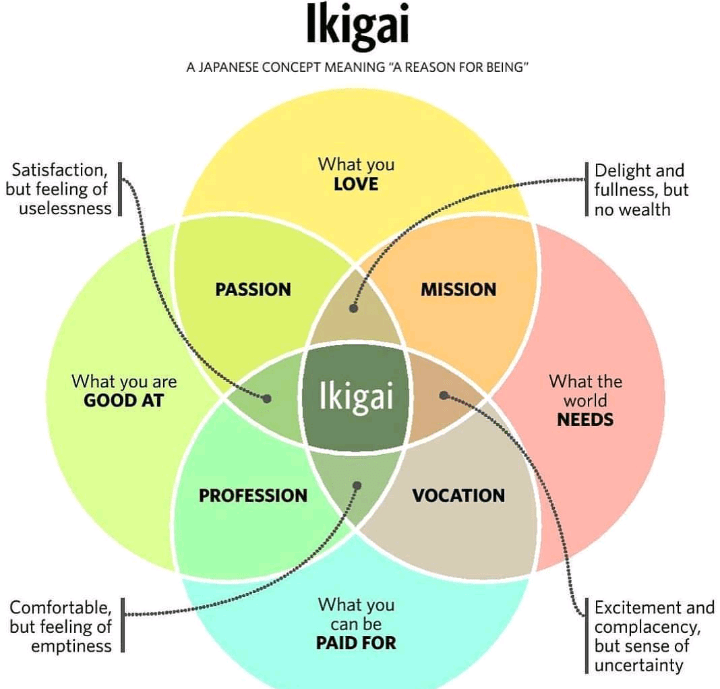
WHAT IS A NICHE (AND WHY IT MATTERS)?
A niche is your specific focus area — it’s the slice of the market you serve. Instead of trying to help “everyone,” a niche allows you to become the go-to person for a specific type of client with a specific problem.
When your niche is too broad, people get confused, but when your niche is clear and targeted, people instantly know what you do and whether it’s for them — and they’re more likely to buy.
5 CORE FACTORS TO HELP YOU CHOOSE A PROFITABLE NICHE
1. Your Skills and Strengths
Start by identifying what you’re good at. What can you confidently help people with — over and over again?
Ask yourself:
•What problems do people often come to me to solve?
•What area do I have results or credibility in?
•What topic could I teach, coach, or guide someone on for hours without running dry?
✅ Tip: Make a list of 3–5 skills you can build a transformation around (e.g., sales conversion, career clarity, emotional healing, time management).
2. Your Personal Experience or Story
In coaching/mentoring, your story often becomes your brand. People buy into your journey and transformation — not just your skill.
Ask yourself:
•What challenges have I overcome that others are still struggling with?
•What part of my life journey is someone else praying for a guide through?
✅ Tip: Your struggles, healing, wins, and losses are all marketable — if they lead to a solution people want.
3. Market Demand and Pain Points
Your niche needs to solve a real problem people are already looking for help with.
Ask yourself:
•Are people actively searching for help in this area?
•Are they aware of the problem, and do they feel it urgently?
•Are there already people selling similar solutions?
✅ Tip: If no one is offering it, it’s probably not profitable. If others are offering it and succeeding, that’s a sign there’s demand.
4. Willingness and Ability to Pay
Not every audience will pay for your solution — even if they need it. Some problems are considered more “urgent” or “valuable” than others.
Ask yourself:
•Does this audience spend money to solve this problem?
•Are they emotionally invested enough to pay for guidance?
•Are there people already charging and getting paid in this space?
✅ Tip: Profitable niches often solve painful, costly, or time-sensitive problems (e.g., business growth, relationship breakdown, career transition, emotional burnout).
5. Competition and Differentiation
High competition means the niche is in demand — but you still need a unique angle.
Ask yourself:
•What makes my approach or offer different?
•Do I speak to a specific audience segment others are overlooking?
•Can I add a personal method, story, or belief system that sets me apart?
✅ Tip: You don’t need to be better — just clearer and different enough to stand out.
EXAMPLES OF PROFITABLE COACHING/MENTORING NICHES
To spark ideas, here are niches that are consistently in demand — especially when approached with a unique spin:
•💼 BUSINESS & SALES COACHING: Help entrepreneurs grow revenue, close deals, or build online businesses.
•🧠 MINDSET & PRODUCTIVITY COACHING: Help people overcome fear, procrastination, or mental blocks.
•❤️ RELATIONSHIP MENTORING: Guide singles, couples, or divorced individuals through relationship growth.
•🧘🏽♀️ WELLNESS COACHING: Focus on emotional healing, stress reduction, burnout recovery, or habit building.
•📈 CAREER MENTORING: Help professionals transition careers, land remote jobs, or build personal brands.
•👩🏽💻 TECH & DIGITAL MENTORING: Teach skills like coding, content creation, or digital freelancing.
•🎤 FAITH-BASED COACHING: Merge spiritual guidance with personal/business transformation.

HOW TO VALIDATE YOUR NICHE BEFORE FULLY COMMITTING
Choosing a niche doesn’t mean you’re locked in forever — but you should test it before going all in.
Here’s how to validate:
1. Talk to your audience — Ask them what their biggest struggles are in this area.
2. Run a pilot offer — Try a low-cost, short-term package to gauge interest.
3. Get testimonials — A few results go a long way in building trust.
4. Observe your energy — Do you enjoy helping people in this space consistently?
✅ If people are getting results AND you enjoy the process, you’ve likely found your niche.
Bonus Tip: Combine What You Know With Who You Know
Your sweet spot =
What you know how to do ✖️ Who you can serve deeply
For example:
•You know how to grow an IG page → Serve new business owners looking for visibility.
•You healed from emotional trauma → Serve women recovering from similar pain.
•You excel at pitching ideas → Serve young professionals preparing for job interviews.
•Clarity attracts clients. Specificity attracts paying clients.

NICHE SMART, NOT BROAD
When you choose the right coaching/mentoring niche:
•You attract clients who are ready to pay
•You make marketing easier and more targeted
•You build authority faster and stand out in a crowded space
Don’t just follow passion — follow pain points + payment potential. That’s the path to profitability.
So now that you know how to choose a niche, the next question is:
Are you ready to build offers and content that sell inside your chosen space?
That’s where the real monetisation begins, reach out to us for our regular classes, projects and consultations, we’ll be glad to hear from you; https://linktr.ee/salesandproductionnetwork2.
 Site Title