Sales has always been about relationships, timing, and understanding customer needs, but today, technology, especially Artificial Intelligence (AI) is changing how deals are won. AI has moved from being a tech trend to a powerful business ally that helps sales teams close more deals, work efficiently, and predict buyer behavior with incredible accuracy.
In the past, sales success depended heavily on experience, intuition, and long hours of prospecting. Now, AI is making that process smarter, faster, and more precise. It’s not about replacing salespeople, it’s about helping them focus on what truly matters; building trust and closing deals.
The New Sales Reality
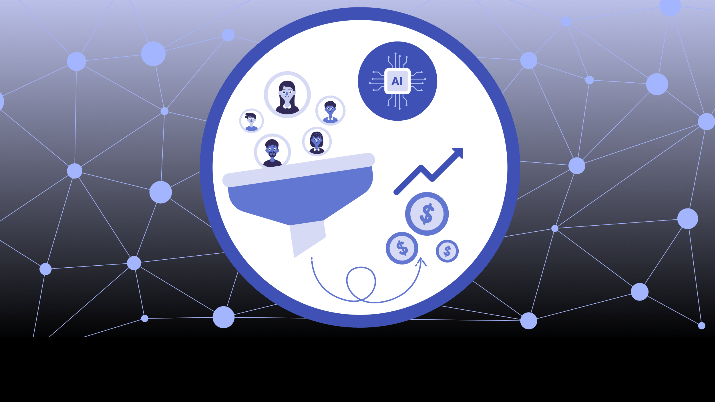
Traditional sales processes can be slow and repetitive. From lead research to follow-ups and data entry, sales reps often spend more time managing tasks than actually selling.
AI changes that, with tools that can analyze massive data sets, personalize outreach, and even predict customer intent, sales professionals now have access to insights that used to take weeks to uncover.
In short, AI helps you sell smarter, not harder.
Smarter Lead Generation and Qualification
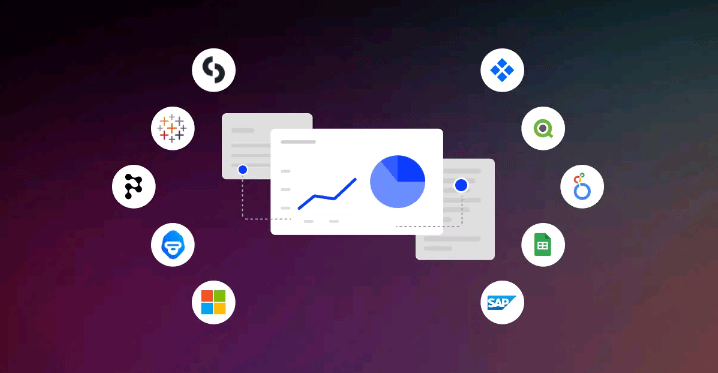
One of the biggest challenges in sales is finding quality leads not just names on a list, but people ready to buy. AI-powered platforms like Salesforce Einstein, HubSpot, Apollo.io among many others can automatically identify leads based on behavior, online activity, and engagement history.
Instead of wasting time chasing cold prospects, your team can focus on warm leads; people already showing buying intent.
AI can also score leads automatically, ranking them based on how likely they are to convert. This means sales reps can prioritize high-value opportunities and close deals faster.
Personalized Sales Outreach
Generic sales emails no longer work, customers can spot a mass message instantly but personalization at scale can be tough and that’s where AI comes in.
AI tools like Lavender or Outreach.io can analyze customer data and suggest personalized email subject lines, tone adjustments, and even send-time optimization. Some systems go further by predicting which message style or offer resonates best with each customer segment.
When your outreach feels personal and timely, conversions naturally go up.
Predictive Insights for Better Timing

Timing is everything in sales, AI can analyze customer behavior and purchase patterns to tell you when someone is most likely to buy.
For instance, if your CRM shows that a client tends to reorder every 45 days, AI can automatically remind you or even schedule a follow-up email just before their next expected purchase.
Predictive analytics doesn’t just make timing smarter, it makes forecasting more accurate. You can anticipate trends, spot potential churn, and adjust your sales strategy before problems arise.
AI-Powered Sales Assistants
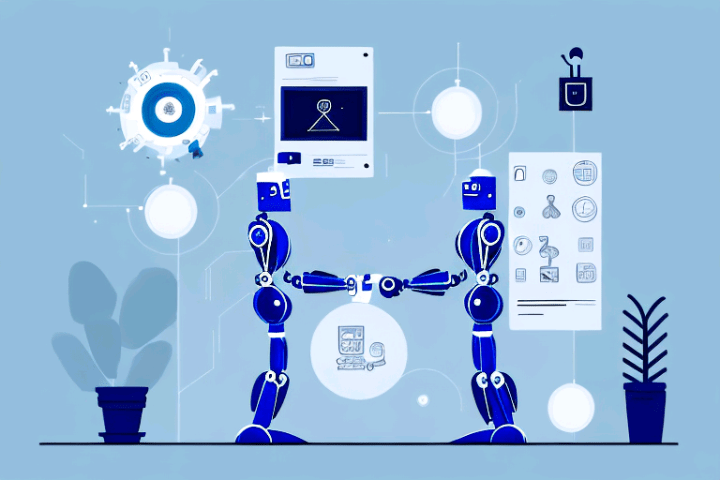
Imagine having a virtual assistant that helps you plan your day, schedule meetings, and log notes automatically. Tools like Conversica and Gong do exactly that.
They listen to sales calls, identify customer objections, and even suggest the best responses. Some can automatically update CRM records after every conversation, saving hours of manual work.
That means sales reps can spend more time selling and less time typing reports.
Data-Driven Decision-Making

AI thrives on data and so should your business. With real-time dashboards, AI can show which campaigns are working, which products are in high demand, and which sales reps are performing best.
Instead of relying on gut feelings, sales managers can make decisions backed by numbers. This clarity leads to better goal-setting, smarter resource allocation, and more predictable revenue.
The Human Element Still Matters

Here’s the truth, even the best AI tools can’t replace human connection. Sales is still about trust, empathy, and understanding emotion; areas where humans shine.
AI provides the data and automation, but you provide the relationship and authenticity. The winning formula is using AI to handle the “heavy lifting” research, timing, personalization, while you focus on creating real conversations that close deals.
When combined properly, human intuition and AI precision create a powerful sales machine.
How to Get Started with AI in Sales

If you’re ready to integrate AI into your sales strategy, start small:
1. Identify repetitive or time-consuming sales tasks.
2. Test one or two AI tools (for email, CRM, or analytics).
3. Train your team to use them effectively.
4. Track the results and refine your approach.
The key is consistency, AI works best when it learns from your data so the more you use it, the smarter it gets.
The future of sales isn’t just digital, it’s intelligent and AI gives you the power to understand customers deeply, act fast, and close deals with confidence. But at the heart of it, success still comes down to people, the professionals who use these tools with purpose and empathy.
This truth of ease and productivity is what we teach at the Sales and Production Network, join us for our next class this Sunday, you’d be glad you did; https://linktr.ee/salesandproductionnetwork2.
 Site Title