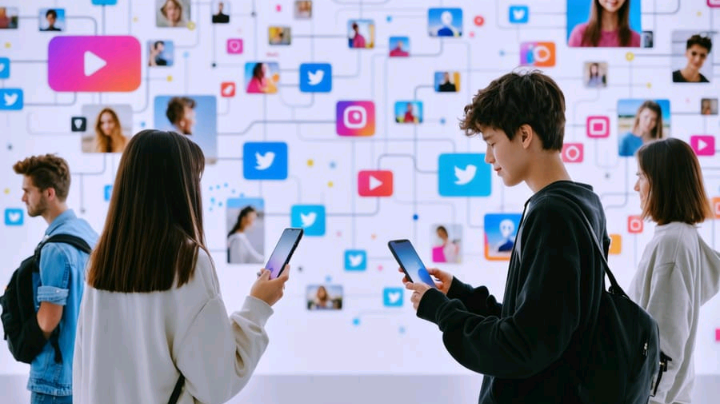
Every business owner has heard the phrase “personalization is the future of marketing”, but let’s be honest many are still doing it wrong.
Too often, “personalized” campaigns just mean using someone’s first name in an email or showing ads based on recent searches. That’s not true personalization, that’s automation with a human mask.
Real personalized marketing goes deeper. It’s about understanding your customer’s world, their problems, priorities, habits, and emotions, and speaking directly to them in a way that feels genuine.
When done right, it doesn’t just boost engagement, it drives real loyalty, repeat business, and referrals.
Let’s explore how to make personalization that actually works.
What True Personalization Means

True personalization is more than knowing who your customer is, it’s about knowing why they buy.
Instead of asking, “What can I sell?” ask, “What does my customer need right now, and how can I make their life easier or better?”
This mindset transforms how you:
• Write your emails.
• Build your website.
• Run your social media.
• Develop your products or offers.
It’s no longer about selling, it’s about solving.
Why Generic Marketing Fails
Generic marketing used to work when audiences had fewer options, but today’s consumers are overwhelmed with choices.
They ignore robotic ads and tune out messages that don’t speak directly to their needs.
When your audience feels unseen, they move on, but when your message feels tailored, when they sense that you get them, they stay, they trust, and they buy.
That’s why personalization is not a luxury anymore, it’s survival.
Data Is the New Personal Touch

To personalize effectively, you need data, but not just any data. You need meaningful insights that reveal what your audience truly values.
Here’s how to gather and use that data ethically and smartly:
1. Customer Feedback: Ask for opinions after purchases or service interactions.
2. Behavior Tracking: Use analytics to see what content or products get the most attention.
3. Email Segmentation: Group your audience based on interests, not just demographics.
4. Social Listening: Monitor what your audience says about your brand (or your competitors) online.
The goal isn’t to invade privacy, it’s to understand patterns and preferences so you can serve people better.
Remember; personalization works when it feels like care, not surveillance.
Storytelling Makes It Stick

People connect with stories, not statistics. When you combine personalization with storytelling, your marketing becomes memorable. Tell stories that reflect your audience’s struggles, dreams, and victories.
For example:
Instead of saying “Our software helps small businesses grow,” say “Meet Tunde, a Lagos-based entrepreneur who grew his online store by 200% using our platform.”
That’s the power of relatable storytelling, it turns your brand into a friend, not just a seller.
The Tools That Make It Easier

You don’t have to be a big corporation to do personalization right. Today, there are simple tools that small businesses can use effectively:
1. Email marketing platforms (like MailerLite, ConvertKit, Klaviyo or Brevo) for automation and segmentation.
2. CRM systems (like Zoho or HubSpot) for tracking leads and customer relationships.
3. AI-driven analytics for understanding buying behavior and predicting trends.
4. Chatbots and personalized landing pages to guide visitors based on their interests.
Technology makes personalization scalable, but your voice makes it human.
Humanizing the Digital Experience

Even with automation, your customers want to feel like they’re talking to a real person.
That’s why tone, empathy, and authenticity matter more than ever. Use natural language, show appreciation, and respond quickly to messages or feedback.
Something as simple as a personalized thank-you note or a quick check-in email can make a customer feel valued and that’s what turns buyers into brand ambassadors.
Results You Can Measure
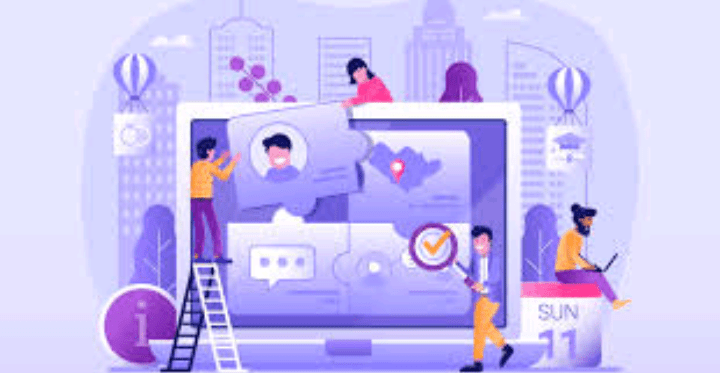
Real personalization doesn’t just “feel good”, it performs.
Businesses that use data-driven personalization see higher open rates, click-throughs, and conversion rates. But beyond the numbers, they also build stronger relationships and in the long term, relationships are what sustain revenue. A satisfied customer doesn’t just buy once, they buy again, and they tell others.
Mistakes to Avoid
Even the best intentions can go wrong. Here are a few personalization traps to steer clear of:
1. Overdoing It: Don’t bombard customers with messages that feel invasive.
2. Poor Data Use: If your data is outdated or inaccurate, personalization can backfire.
3. One-size-fits-all Automation: Customize your templates and tone for each segment.
4. Neglecting Privacy: Always let users know how their data is collected and used.
Personalization should always build trust, not suspicion.
The Future of Personalized Marketing

With AI and automation advancing fast, the future of personalization will be even smarter, predictive, adaptive, and emotion-aware.
Imagine systems that understand your customer’s mood, anticipate needs, and deliver solutions before they ask. That’s not science fiction anymore, it’s the direction marketing is heading. But no matter how advanced technology gets, human understanding will always be at the center. AI can analyze behavior, but it can’t replace empathy.
When you focus on serving individuals, not audiences, you transform how your business connects, communicates, and converts.
The brands that win today are those that treat customers as people, not profiles and the entrepreneurs who master this art aren’t just selling products, they’re building relationships that last.
So, before your next campaign, ask yourself; “Does this message speak to someone or everyone?” Because when your marketing speaks personally, it sells powerfully. Are you ready to get to the nitty gritty of this? If yes, click on the link below and a representative of the Sales and Production Network will respond shortly; https://linktr.ee/salesandproductionnetwork2
 Site Title